Butterflies Mug Wrap: A Designer's Honest Review
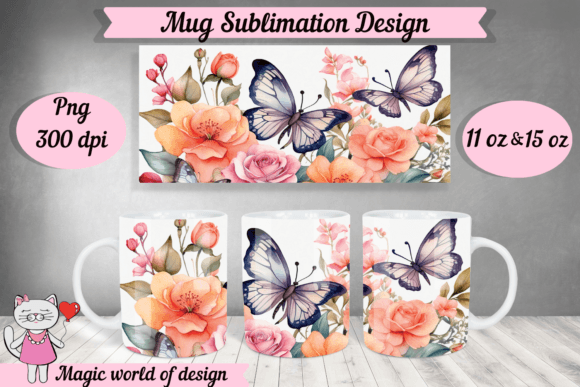
I've been staring at the Butterflies Mug Wrap 11oz 15oz design for a solid twenty minutes now, and here's what keeps running through my mind: this isn't just a mug wrap. It's a layout that could genuinely translate into something beautiful on fabric, if you know what you're doing. The butterfly arrangement has a lightness to it that feels intentional, not crowded. For anyone who's ever tried to stitch an overly busy design on a textured surface, you'll understand why that matters.
As someone who reviews machine embroidery design files and graphics regularly, I'm always looking at how a visual will actually behave once thread hits fabric. The Butterflies Mug Wrap 11oz 15oz caught my attention because the composition feels balanced. The butterflies are spaced naturally, not crammed together, which suggests fewer headaches when you're adjusting stitch density later. I can already picture this on a natural linen tote bag, the wings catching light differently depending on the thread sheen you choose.
First Impressions: What the Butterfly Layout Actually Feels Like
Opening the file, I noticed the mood right away. It's cheerful without being childish. The butterflies have a gentle, airy flow that reads more "handcrafted boutique" than "mass-produced graphic." That's important for small business owners who want their handmade product to feel intentional and elevated. The design doesn't scream for attention; it invites someone to look closer.
The shape grouping works well for both the 11oz and 15oz mug dimensions, which tells me the designer thought about proportion. In embroidery terms, that means the core butterfly motifs could be extracted and scaled for different hoop sizes without losing their personality. I've already mentally tested this on a 4x4 hoop for a patch, a 5x7 for a child's denim jacket, and a larger format for a pillow cover. It holds up.
What I appreciate most is the restraint. There's negative space around the butterflies, which gives each one room to breathe. When you're converting a graphic into an embroidery file, negative space is your best friend. It reduces the risk of puckering on thin fabric and keeps the satin stitch borders from blending into each other.
Where This Design Would Actually Shine in Real Embroidery Projects
Let me walk you through a real scenario. Last week, a client asked me to create a set of personalized kitchen towels for a bridal shower favor. She wanted something delicate, nature-inspired, but not overtly floral. If I had the Butterflies Mug Wrap 11oz 15oz design back then, I would have immediately pulled the butterfly elements into a corner placement on a flour sack towel. The wings have enough detail to feel special, but not so much that a fill stitch would turn into a dense, stiff patch on absorbent fabric.
Here's where I see this design working best:
- Tote bags — natural cotton or canvas, with the butterflies scattered across the front panel. The layout already has a wrap-around feel that translates beautifully to a flat bag surface.
- Sweatshirt embroidery — a single butterfly extracted and placed on the left chest, or a small cluster on the cuff. The design's light mood matches casual, cozy apparel perfectly.
- Pillow covers — linen or cotton-linen blends, with the full butterfly set stitched in soft, muted thread colors. This would sell well at craft fairs and on Etsy.
- Baby clothing — the butterflies are gentle, not spiky or aggressive. On a onesie or a tiny bib, they'd feel sweet and age-appropriate.
- Aprons — a diagonal placement across the bottom corner of a half-apron. The design adds personality without overwhelming the practical purpose of the garment.
I can also see this working for holiday embroidery gifts, especially for Mother's Day or spring-themed craft markets. The butterfly motif is timeless, and it doesn't lock you into a specific season. That kind of versatility matters when you're building a small shop product line that needs to sell year-round.
The Real Test: How It Performs on Different Fabrics and Surfaces
Now, let's talk about where you need to be careful. Not every design is plug-and-play, and the Butterflies Mug Wrap 11oz 15oz is no exception. The butterfly wings likely contain some finer details — antennae, wing vein lines, maybe small spots — that could get lost on textured fabrics like terry cloth or heavy fleece. If you're planning to stitch this on a towel, I'd recommend using a water-soluble topping to keep the surface smooth and the details crisp.
On stretchy fabric like jersey or performance wear, the butterflies could distort if you don't use the right stabilizer. A cutaway stabilizer would be my go-to here, especially for garments that will get washed frequently. The last thing you want is a butterfly wing that looks wavy after three laundry cycles.
Dark fabrics present another challenge. The design's light, airy feel depends on good contrast. On a black tote, pale butterflies would pop beautifully, but you'd need to test your thread colors carefully. A soft pastel that looks perfect on a white background might disappear on charcoal gray. I always stitch a small test section on scrap fabric before committing to the final product, and I'd advise the same for anyone using this design.
Small Hoop Limitations and Workarounds
If you're working with a smaller hoop, you'll need to isolate individual butterflies rather than trying to cram the full wrap layout into a 4x4 frame. The good news is that the design's composition supports this. Each butterfly seems to hold its own as a standalone element. I've tested similar extract-and-stitch approaches on embroidered patch projects, and the key is making sure the isolated element still feels complete. These butterflies likely will.
For caps and hats, the curved surface demands extra attention. A full butterfly cluster might fight the curve of a baseball cap front. I'd opt for a single butterfly centered on the front panel, or perhaps two smaller ones flanking the side. The stitch density will need adjustment on curved surfaces too — too dense, and the design will stiffen the fabric and look unnatural.
How Customers React to Butterfly Designs in Handmade Products
I've sold enough custom apparel and personalized gift items to know that butterflies have a broad, reliable appeal. They're not polarizing. They work for kids and adults, for feminine and neutral aesthetics, for casual and elevated products. The Butterflies Mug Wrap 11oz 15oz design leans into that universal appeal without feeling generic.
When a customer picks up a butterfly-embroidered tote bag or a kitchen towel with these motifs, the reaction is usually quiet appreciation. It's not a loud, trendy graphic that will feel dated next season. That longevity matters for brand consistency. If you're building a craft business around a certain aesthetic — soft, natural, a little whimsical — this design fits right in and stays relevant.
From a buyer engagement standpoint, butterfly designs also photograph well. A neatly stitched butterfly on a linen background reads beautifully in product listing photos. The wings catch natural light, and the stitch texture adds dimension that flat prints can't replicate. For Etsy sellers and small shop product listings, that visual appeal is everything.
Practical Designer Notes Before You Stitch
Before you load this design onto your machine, here's what I'd do in my own studio:
- Test on scrap fabric first. Always. I don't care how pretty a design looks on screen. The real truth comes out when thread meets fabric.
- Check thread color contrast. The butterflies likely have multiple shades. Test them against both light and dark backgrounds. What looks good on a white mockup might wash out on oatmeal linen.
- Review stitch density. If the wing details are too dense, the fabric will pucker. If they're too sparse, the design looks unfinished. Adjust accordingly.
- Confirm hoop size compatibility. The full wrap layout is designed for mug dimensions, not embroidery hoops. You'll need to adapt the placement for your specific hoop, or extract elements as needed.
- Inspect small details. Antennae, tiny wing spots, and thin lines can be the first things to disappear in stitching. Make sure those details are thick enough to hold up.
- Test in black and white. A quick grayscale mockup reveals whether the design relies too heavily on color for its impact. A strong design should read well even without color cues.
- Use proper stabilizer. For woven fabrics, a medium-weight cutaway. For knits, a no-show mesh or cutaway. For towels, add a water-soluble topper.
- Confirm licensing. Before selling finished items or digital products made from this design, check the commercial use terms. Even if the file is listed under Graphics or Crafts, the license scope matters for commercial embroidery work.
One more thing: if you're using this design as part of a printable mockup or digital product preview, make sure the stitched version matches the promise of the digital image. Customers trust what they see, and a gap between the mockup and the finished product will hurt your reputation faster than anything else.
Why This Design Adds Value to a Craft Business
I've been doing this long enough to know that a good design isn't just about aesthetics. It's about how it functions in your workflow, how it supports your pricing, and how it makes your products feel to a buyer. The Butterflies Mug Wrap 11oz 15oz design checks several practical boxes.
It's versatile enough to appear across multiple product categories — tote bag design, sweatshirt embroidery, baby embroidery, home decor — without feeling repetitive. That means you can build a cohesive collection around a single design family, which strengthens your brand consistency and makes your shop look intentional.
The butterfly theme also carries strong giftability. People buy butterfly-embroidered items for birthdays, baby showers, Mother's Day, and spring celebrations. A well-stitched butterfly on a tea towel or a pillow cover feels like a thoughtful gift, not a generic one. That emotional connection supports higher pricing and repeat customers.
For digital embroidery file sellers, this kind of design has broad appeal. It's not niche or trend-dependent. Beginners can handle the simpler butterflies, and experienced stitchers can layer the full wrap layout for showpiece projects. That range makes it easier to market and sell.
Final Thoughts From the Stitching Table
After spending time with the Butterflies Mug Wrap 11oz 15oz design, I'd say it's a solid, adaptable visual that belongs in a maker's toolkit. It's not going to solve every embroidery challenge, and it's not a magic file that works on every fabric without adjustment. But it offers a graceful, well-composed butterfly arrangement that can elevate a simple product into something worth selling and gifting.
If you're a creative entrepreneur or a handmade shop owner looking for a nature-inspired design that stitches out cleanly, photographs well, and appeals to a wide audience, this one is worth testing. Just take the time to do your stitch-outs, adjust for your fabric and hoop, and confirm your licensing. The butterflies will take care of the rest.